

Call for Agricultural Transformation: Insights from the 2025 National Agriculture Industry Public-Private Sector Partnership Conference
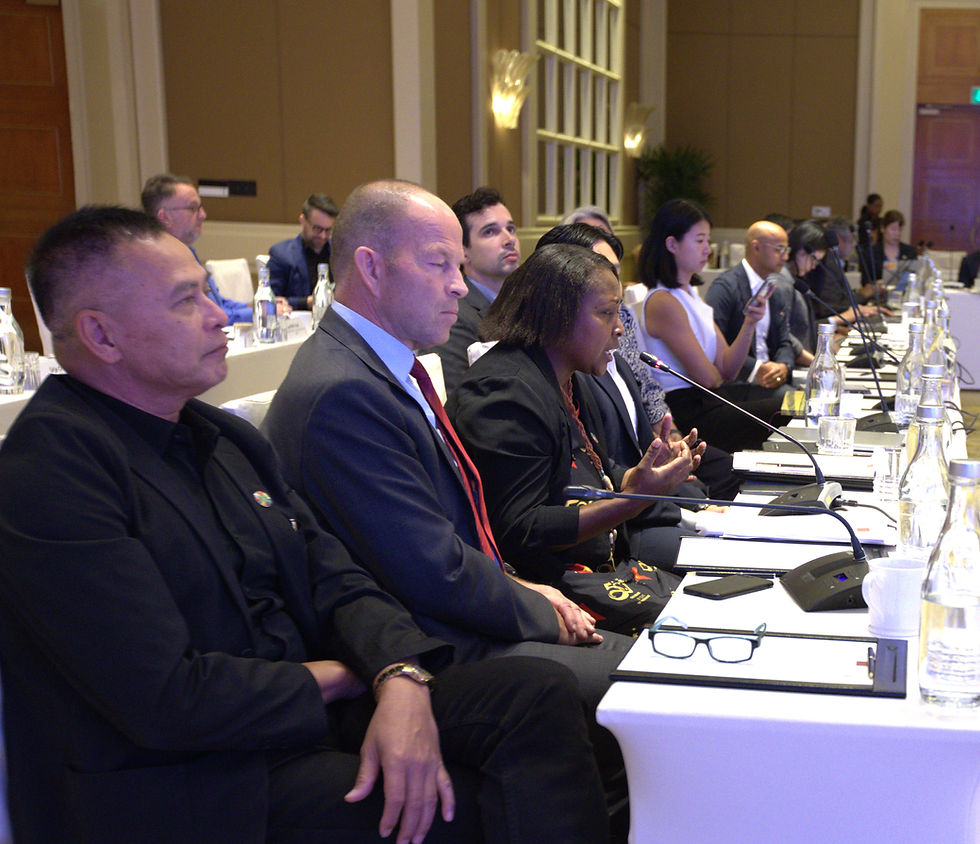
In the ever-evolving landscape of Papua New Guinea’s agricultural sector, transformation requires more than vision, it demands collaboration. From April 7–11, the National Agriculture Industry Public-Private Sector Partnership Conference 2025 convened in Lae, Morobe Province, bringing together key players from across PNG’s agriculture ecosystem to align on a shared goal: implementing the National Agriculture Sector Plan 2024–2033 (NASP) through strengthened public-private partnerships.

Hosted by the National Department of Agriculture and Livestock (NDAL) and supported by the World Bank Group, the PNG Agriculture Commercialisation and Diversification (PACD) Project, and the Consultative Implementation & Monitoring Council (CIMC), the conference served as a catalyst for dialogue, strategy, and collective action.
Enabling Reform: Governance, Policy, and Infrastructure
The early sessions set the stage for reform, focusing on policy clarity, improved governance mechanisms, and structural transformation. NDAL provided key updates on:
NASP implementation strategies
Enhanced private sector participation in governance systems
New legislation aimed at improving transparency and accountability
These foundational reforms are designed to create an enabling environment where private investment can thrive alongside public sector commitment.
Driving Change Through Data and Innovation
One of the most significant breakthroughs of the week was the unveiling of digital and reporting tools tailored specifically to PNG’s agricultural systems. These platforms aim to enhance:
Cross-agency coordination
Evidence-based monitoring
Private sector engagement through improved data transparency
For Grow PNG and other development actors, this shift toward data-informed decision-making marks a critical leap forward.
Sector-Specific Collaboration: Dialogue in Action
From days two to four, the focus shifted to commodity boards and sector agencies presenting their current strategies and inviting feedback from industry stakeholders. Grow PNG actively engaged in discussions across various value chains, contributing insights and exploring alignment with district-level agricultural priorities.
A standout moment came on April 10, when Grow PNG’s Implementation and Engagement Officer, Julie Sip, raised key questions to the CEO of Kokonas Indastri Koporesen (KIK):
“What are your plans for 2025 for the coconut rehabilitation program, and do you have any plans for rehabilitation in Morobe—more specifically, the Markham Valley?”
Julie also asked whether any economic analysis, such as ROI studies, had been undertaken to support smallholder uptake and whether KIK would be open to partnership opportunities. The CEO responded positively, welcoming the opportunity for future collaboration and inviting Grow PNG to extend a formal presentation invitation for district-level dialogue in Markham.
From Conversation to Commitment: Toward Implementation
The final day culminated in a comprehensive resolution session, with all major challenges, insights, and recommendations presented to Prime Minister James Marape. Key priorities included:
Infrastructure development
Streamlined supply chains
Expanded access to rural finance
Strengthened extension services
These actionable insights reaffirmed the urgency—and potential—of aligning national planning with grassroots realities.
Looking Ahead: Grow PNG’s Efforts to Inclusive Development
The 2025 National Agriculture Industry Public-Private Sector Partnership Conference represented a pivotal moment in PNG’s journey toward an inclusive, investment-ready agricultural sector. For Grow PNG, it also reaffirmed the value of district-level engagement, especially in areas like the Markham Valley where community voice, farmer-driven solutions, and public-private collaboration can drive meaningful change.
As NDAL begins the implementation phase of NASP 2024–2033, Grow PNG remains committed to supporting transparent, inclusive, and farmer-focused development. We look forward to continued collaboration and encourage all stakeholders to remain actively engaged in shaping a resilient, thriving agriculture sector for Papua New Guinea.


Comments